
Beyond English

ज्ञानात् भविष्यः“The Future Begins with Knowledge.”

Through the language that was centuries ahead of its time.

Beyond English is an immersive Sanskrit learning experience where children don’t just learn a language — they discover the logic behind modern computing, the wisdom of Indian philosophy, and the heritage that shaped one of the world’s greatest intellectual traditions.

Why Sanskrit

The Architects of Timeless Knowledge

The minds whose ideas continue to shape language, logic, philosophy, and the future of learning.

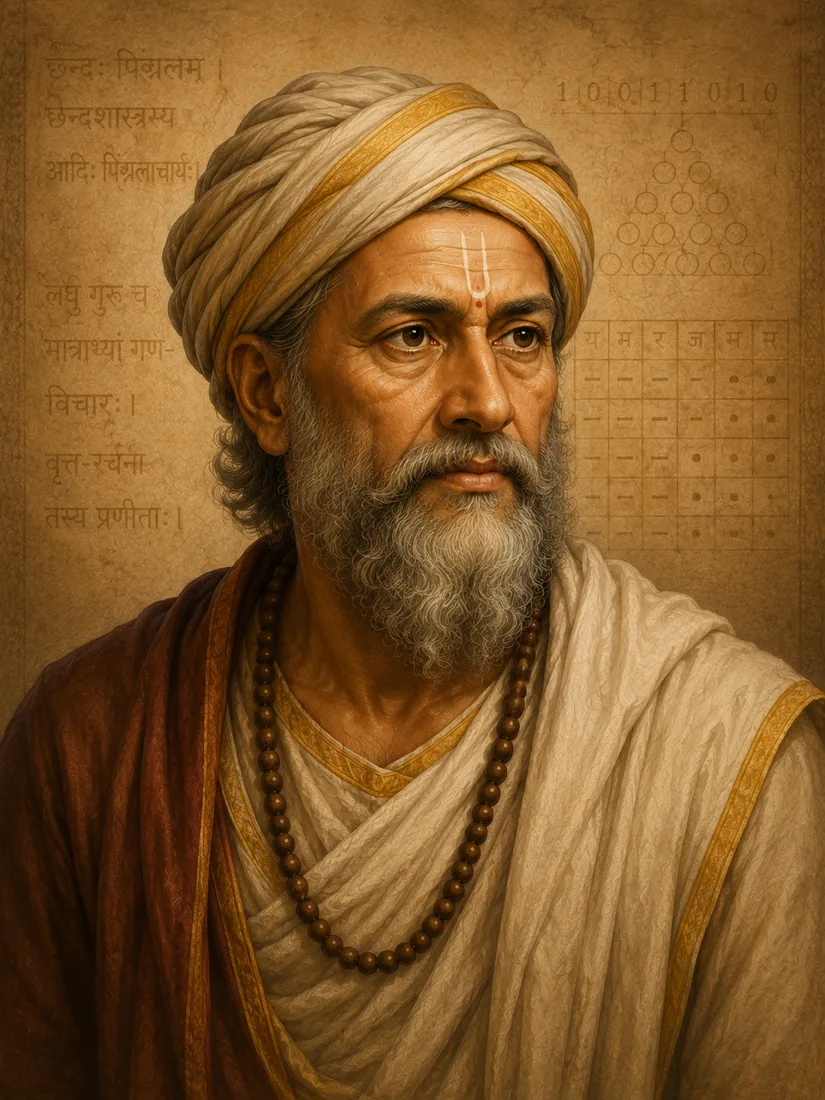
Pāṇini

Pāṇini

Architect of the world's most sophisticated system of grammar and linguistic logic.

Piṅgala

Piṅgala

Pioneer of binary patterns and combinatorics centuries before modern computing.

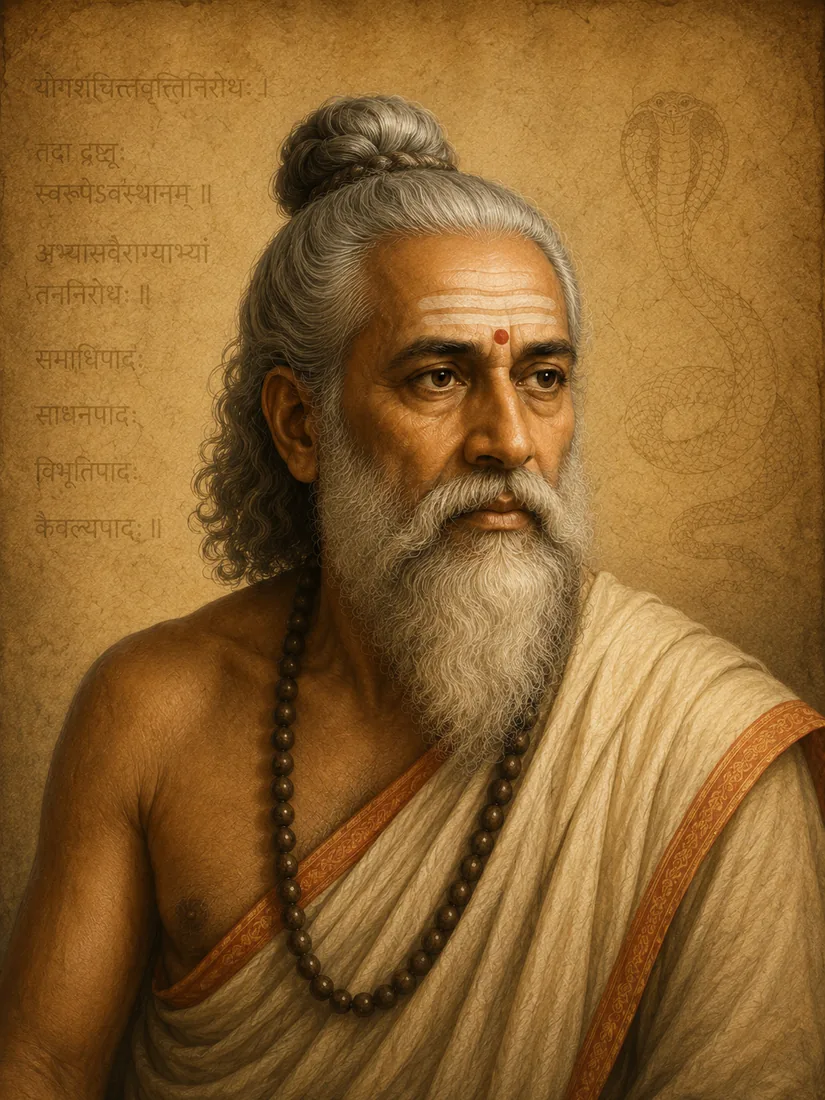
Patañjali

Patañjali

Preserved and refined Pāṇini's grammatical tradition for generations.

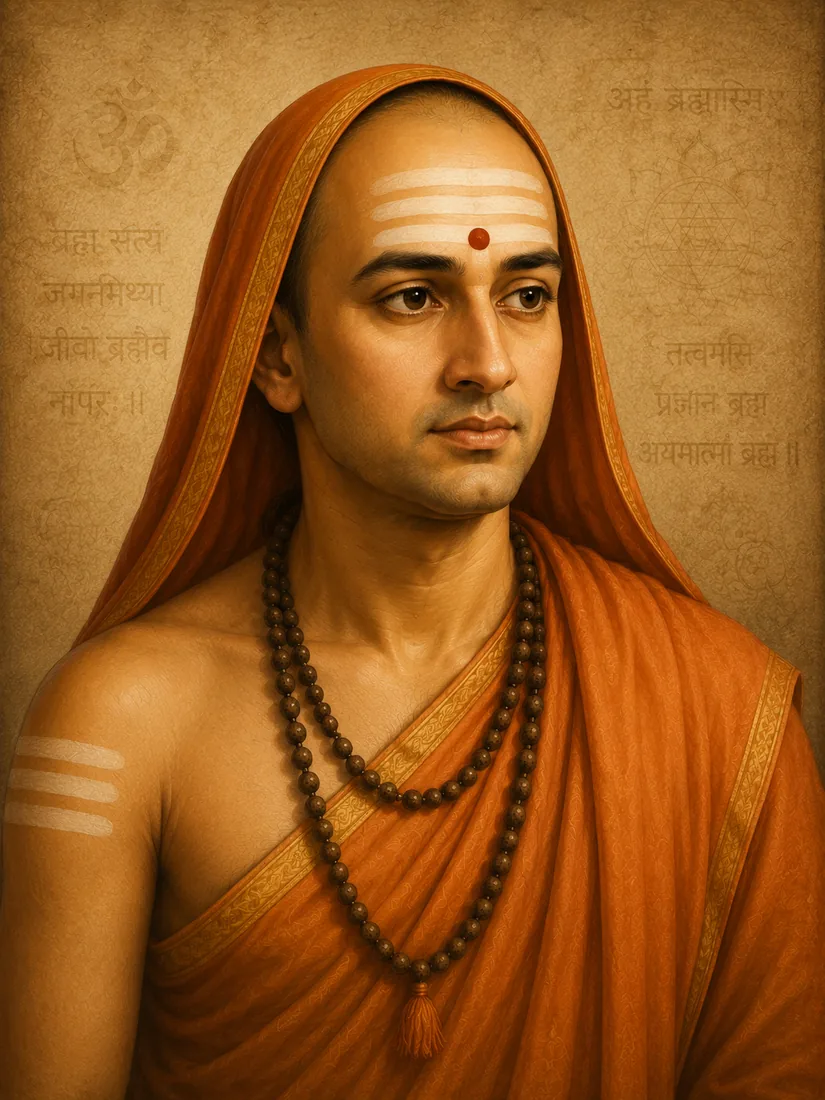
Ādi Śaṅkarācārya

Ādi Śaṅkarācārya

Explained the nature of consciousness through Advaita Vedānta.

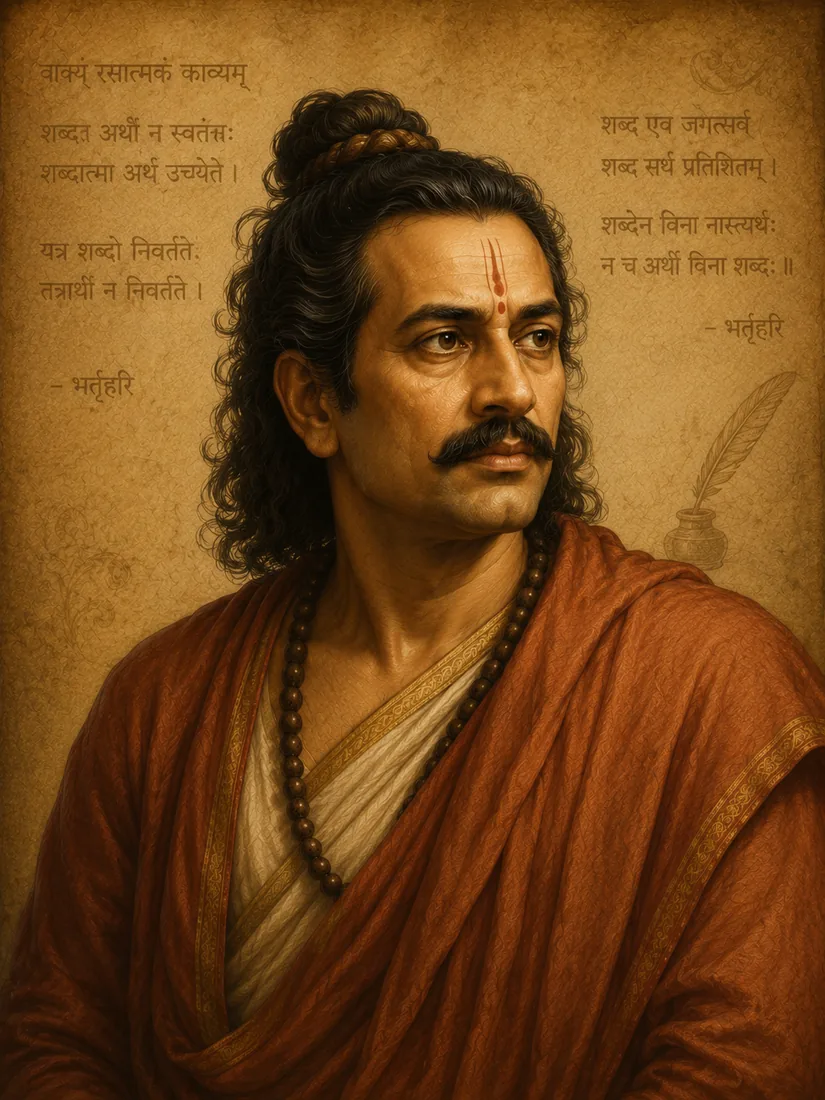
Bhartṛhari

Bhartṛhari

Explored the deep relationship between language, meaning, and consciousness.

Kātyāyana

Kātyāyana

Expanded and strengthened Pāṇini's grammatical system through brilliant refinements.

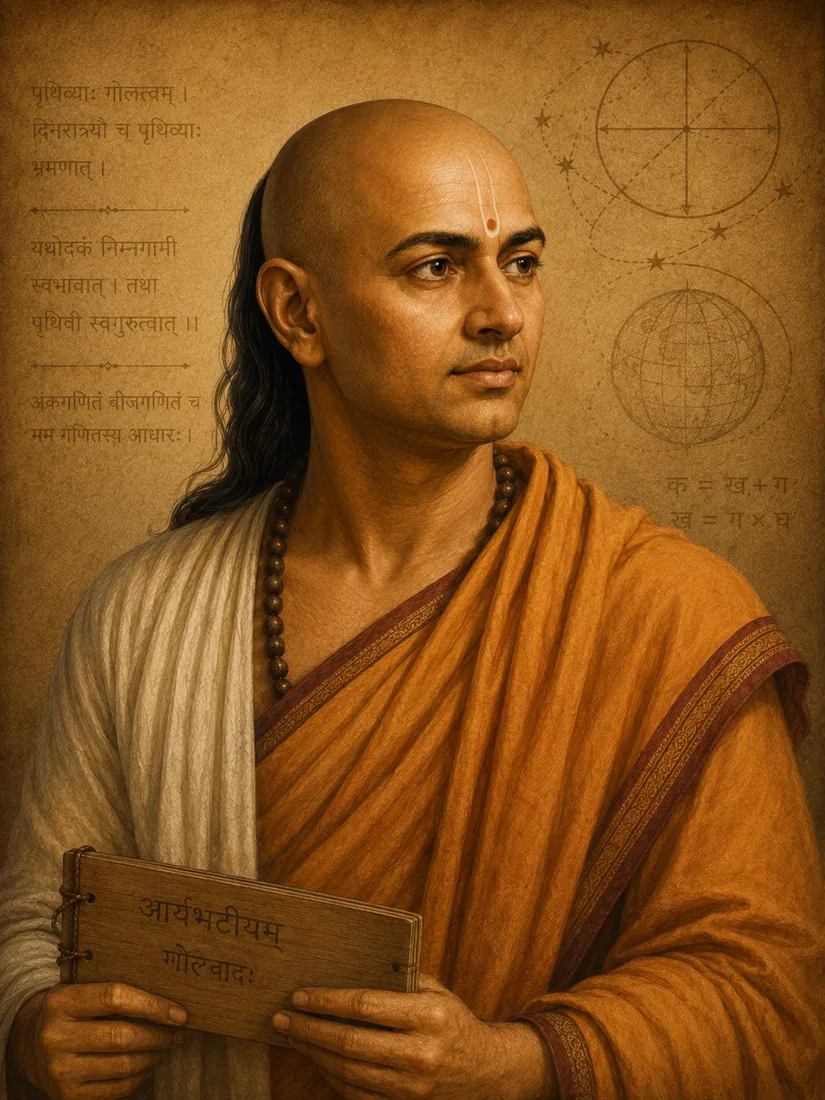
Āryabhaṭa

Āryabhaṭa

Revolutionised mathematics and astronomy through timeless scientific insight.

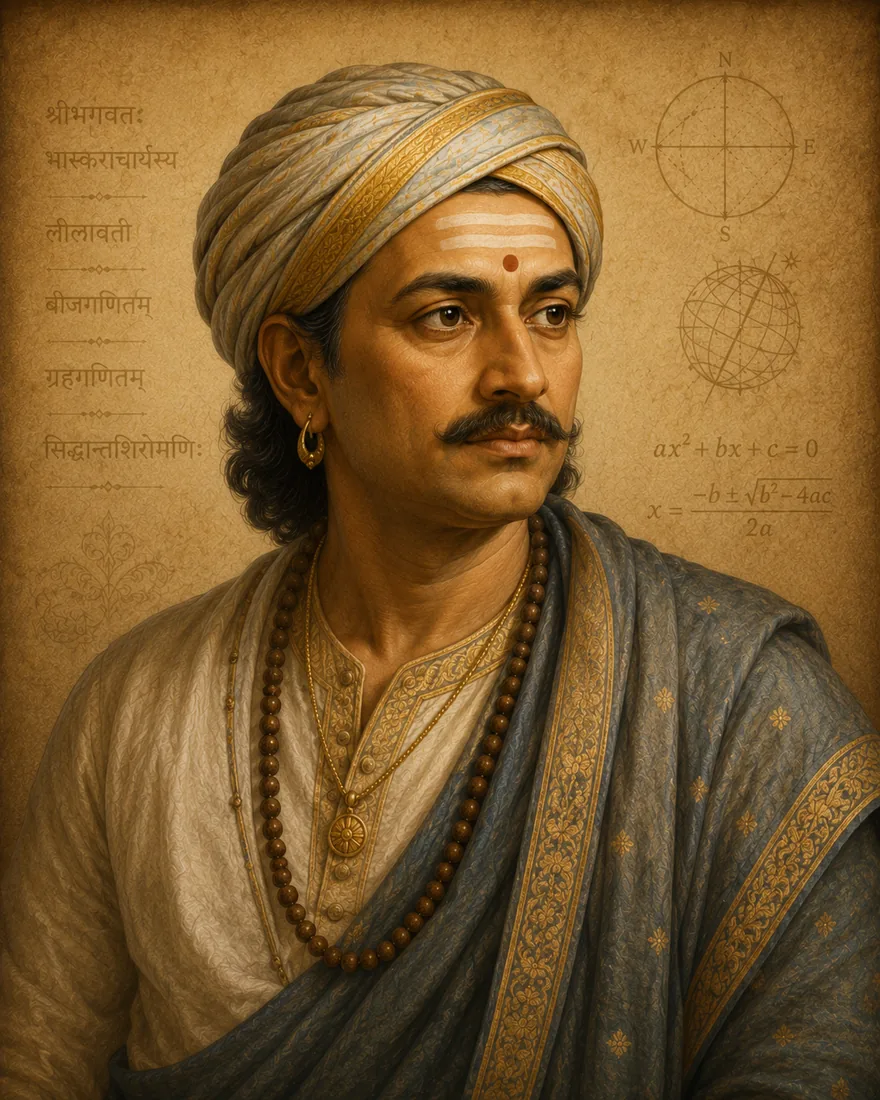
Bhāskara II

Bhāskara II

Advanced mathematics and astronomy with discoveries centuries ahead of his time.

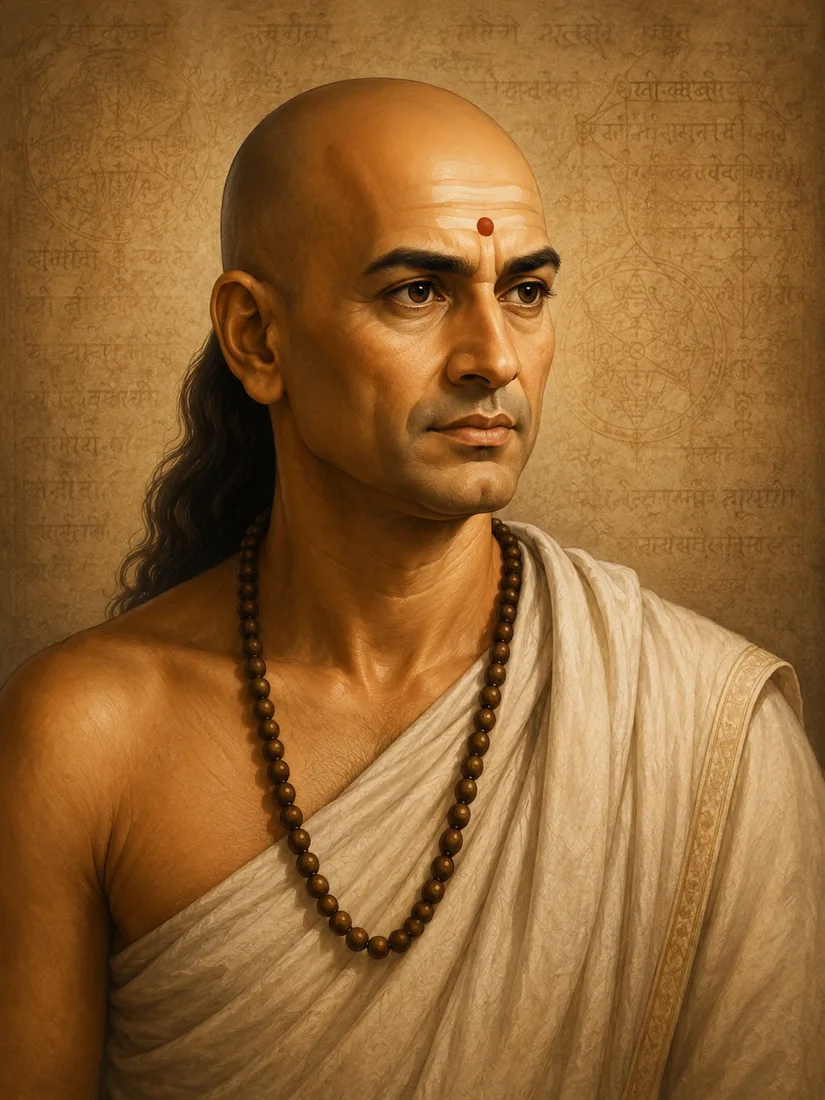
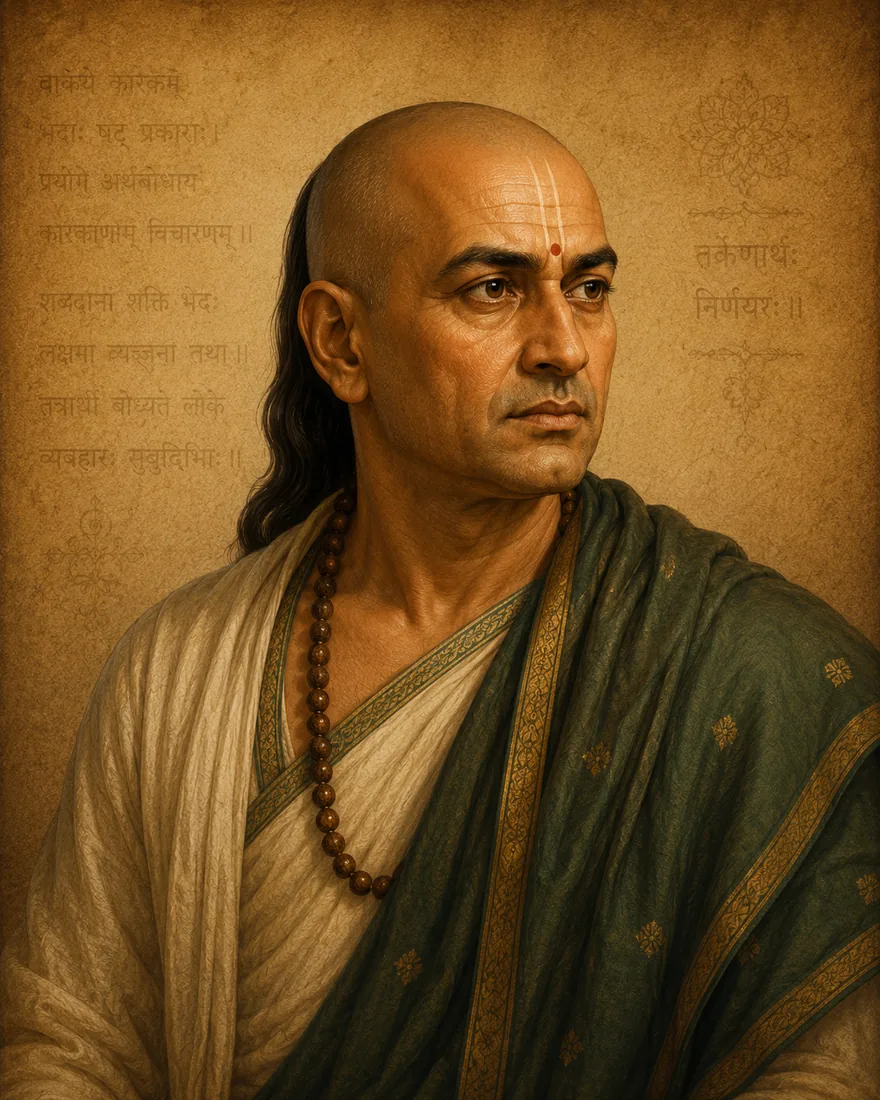
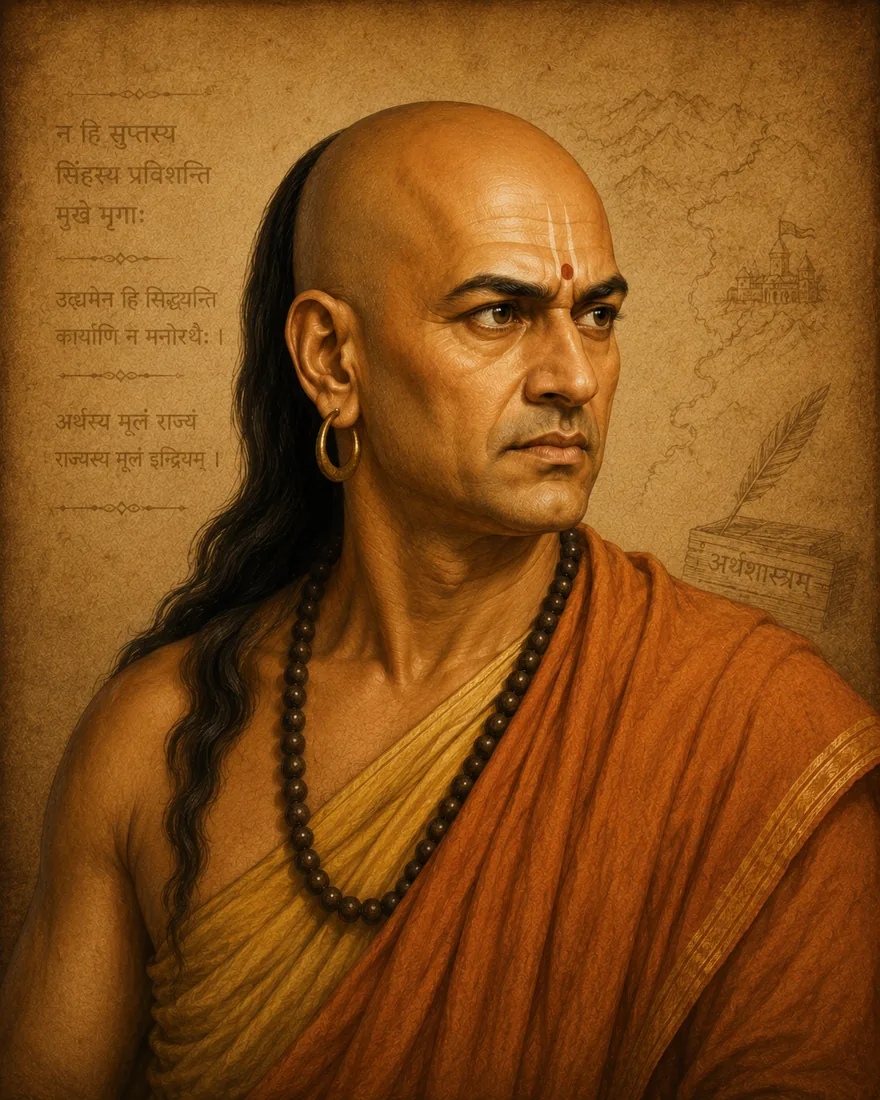
Chanakya (Kauṭilya)

Chanakya (Kauṭilya)

Master strategist whose principles of leadership, ethics, and governance still inspire the world.

विद्या ददाति विनयं विनयाद् याति पात्रताम्।

vidyā dadāti vinayaṃ, vinayād yāti pātratām

Knowledge gives humility, and humility leads to true worthiness.

Beyond English is built not only to teach knowledge, but to cultivate wisdom, character, and lifelong curiosity.

English helped a generation communicate.

AI now communicates.

So communication alone is no longer the advantage.

What matters now is how a mind is trained to think.

सा विद्या या विमुक्तये

sā vidyā yā vimuktaye

That alone is knowledge, which frees the mind.

The oldest Indian definition of education — not information, liberation.
Two pillars, one language

Sanskrit was never only a language.

It carried two disciplines at once — the structure to think clearly, and the wisdom to understand the mind doing the thinking.

पाणिनि

Pāṇini

The Head

Grammar. Rules. Abstraction. Recursion.

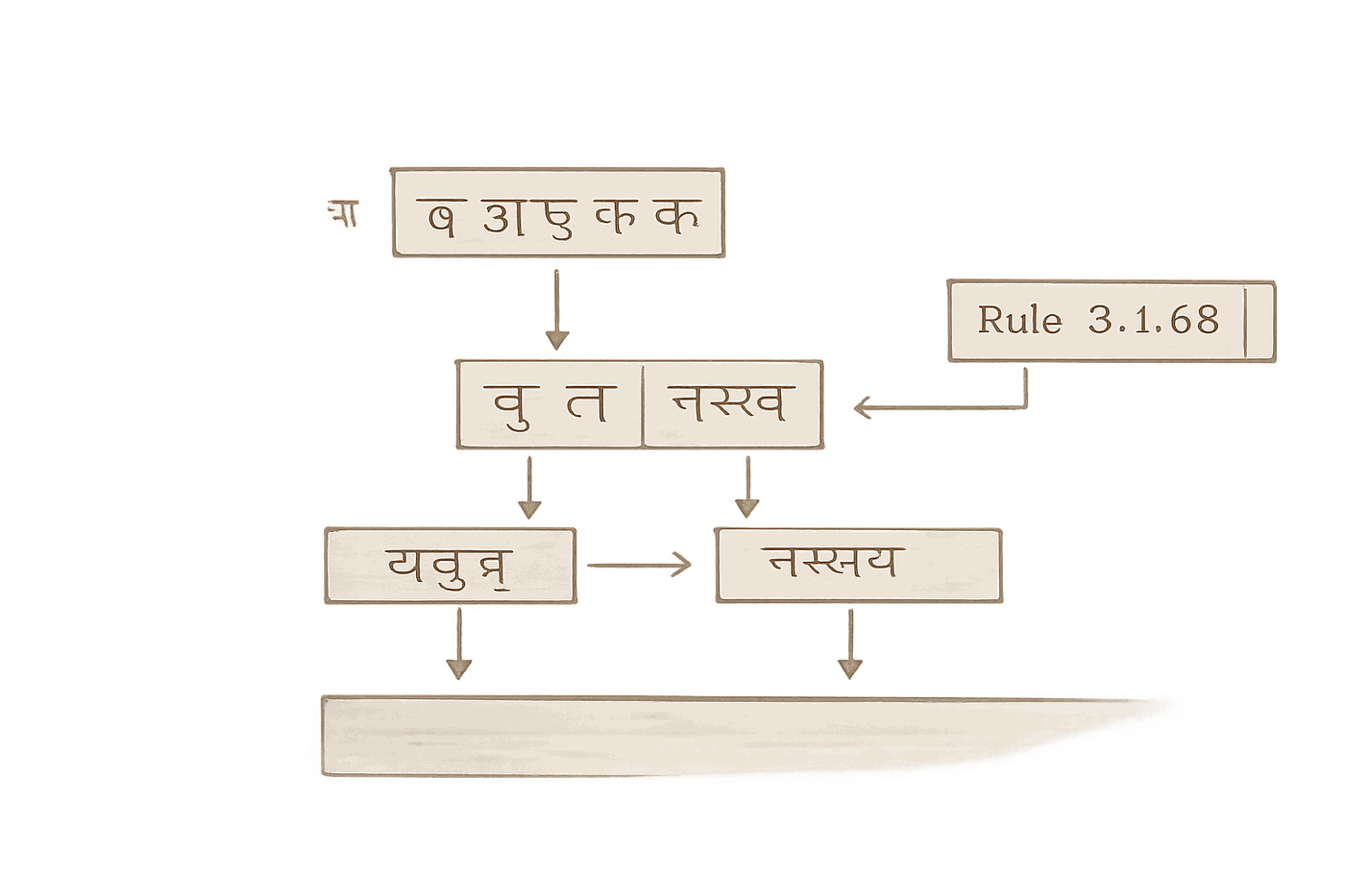
Nearly 2,500 years ago, Pāṇini compressed the entire structure of Sanskrit into under 4,000 formal rules — sequenced, recursive, exception-aware. Linguists still study it as one of the first known formal systems, the same kind of thinking that underlies how a modern parser or programming language is built.

PatternsLogicRecursionComputational thinking

वेदान्त

Vedānta

The Heart

Consciousness. Awareness. Self.

Alongside grammar, Sanskrit carried India's deepest questions about the mind — what it means to be aware, to know, to be a self at all. As machines learn to process language convincingly, this is the distinction students will need most: the difference between something that processes, and someone who knows.

AwarenessSelfMeaningProcessing vs. knowing
Manu, the Beyond English AI mentor

Meet Manu

A mentor, not a machine to talk to.

Manu doesn’t teach the class, and he isn’t here to chat. He’s the quiet presence beside every lesson — there the instant a question forms, gone the instant it’s answered.

Not a chatbot

Manu doesn't perform lessons. Instructors do — in structured, recorded classes your child follows at their own pace.

A mentor beside them

While the lesson plays, Manu stays present — ready the moment a question comes up, never demanding attention it wasn't asked for.

Ask anything, anytime

Pronunciation, grammar, meaning, a verse explained again, a practice question — answered in the moment, not saved for later.

The Programme

Six levels. One path to real fluency.

144 classes, twice a week. Every one begins with speech, never with a rule.

144

Classes

6

Levels

Weekly

Every class follows the same shape

ListenSpeakReadWriteDiscoverCreate
01

ध्वनि · सम्भाषण

Dhvani · Sambhāṣaṇa

Classes 1–24

Sound & First Speech

Every sound of the alphabet, spoken back correctly — then greetings, family, colours, a first full sentence.

Milestone — A short recorded introduction — name, family, three things they love.

See all 24 classes

The Sounds

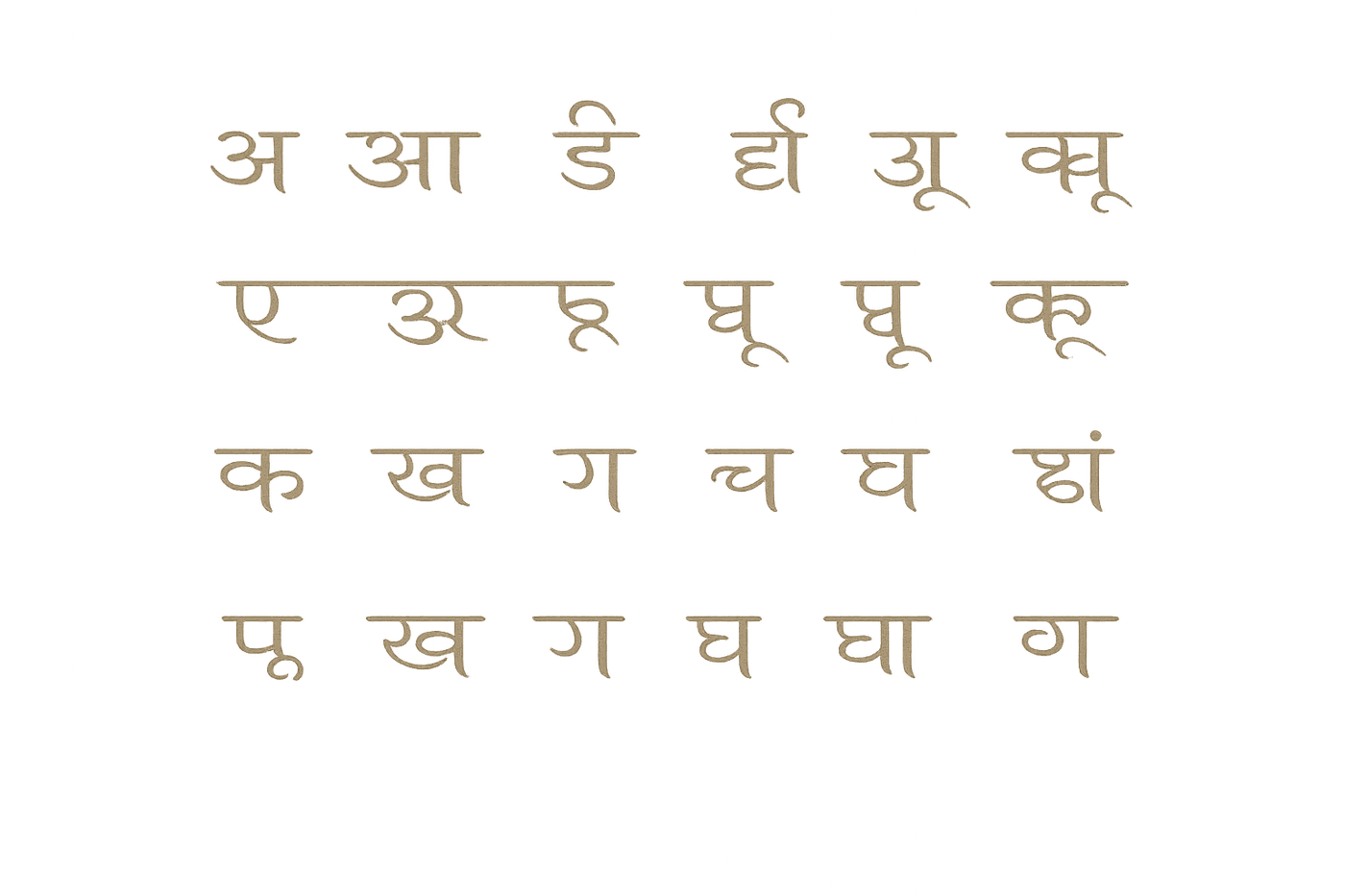
  • 01स्वर — the vowels
  • 02व्यञ्जन I — ka & ca groups
  • 03व्यञ्जन II — ṭa, ta, pa groups
  • 04य र ल व · श ष स ह
  • 05अनुस्वार, visarga & joining sounds
  • 06The full वर्णमाला

Greeting the World

  • 07नमस्ते — greetings & courtesy
  • 08मम नाम — introducing myself
  • 09Asking “who?”
  • 10Numbers 1–10
  • 11कुटुम्ब — family words
  • 12Recorded self-introduction

My World in Sanskrit

  • 13शरीर — the body
  • 14वर्ण — colours
  • 15पशु-पक्षी — animals & birds
  • 16अन्नम् — food
  • 17प्रकृति — sun, moon, tree, river
  • 18Name 20 things around you

First Sentences

  • 19अयम् / इयम् / इदम् — “this is…”
  • 20अस्ति — simple statements
  • 21Likes & dislikes
  • 22A first shloka, with meaning
  • 23A speaking game with Manu
  • 24Greet, introduce, name, recite

marks a recorded or assessed class — proof of progress, not a proficiency label.

02

वाचन · लेखन

Vācana · Lekhana

Classes 25–48

Reading & Writing

Reading at real pace, writing by hand, and a first classical story retold in their own words.

Milestone — A handwritten page about their day, and a story told from memory.

See all 24 classes

Reading Fluently

  • 25Syllables at speed
  • 26संयुक्ताक्षर — conjuncts
  • 27Words & signboards
  • 28Simple sentences
  • 29Reading aloud with Manu
  • 30Read a passage aloud

Writing by Hand

  • 31Letters, neatly
  • 32Words
  • 33Simple sentences
  • 34दण्ड & punctuation
  • 35Copying a shloka
  • 36Five sentences about your day

First Stories

  • 37पञ्चतन्त्र — a first story
  • 38Story vocabulary
  • 39Retelling aloud
  • 40चित्र-वर्णन — describe a picture
  • 41नीति — the moral
  • 42Retell a Pañcatantra tale

Expressing Myself

  • 43दिनचर्या — a diary
  • 44Describing people
  • 45Describing places
  • 46Questions & answers
  • 47Your own three-line story
  • 48Read + retell; a written page

marks a recorded or assessed class — proof of progress, not a proficiency label.

03

सम्भाषण विस्तार

Sambhāṣaṇa Vistāra

Classes 49–72

Everyday Conversation

Questions, directions, the weather, a festival explained — the Sanskrit of an ordinary day.

Milestone — A three-minute conversation, held without a script.

See all 24 classes

Everyday Talk

  • 49My daily routine
  • 50At home
  • 51At school
  • 52With friends
  • 53In the market
  • 54Two-minute chat about your day

Questions & Directions

  • 55प्रश्न — question words
  • 56Asking & giving directions
  • 57काल — time, days, months
  • 58ऋतु — weather & seasons
  • 59उत्सव — festivals
  • 60Ask & answer ten questions

The Wider World

  • 61क्रीडा — sports
  • 62विज्ञान — science words
  • 63यन्त्र & AI — technology
  • 64अन्तरिक्ष — space
  • 65पर्यावरण — environment
  • 66Two minutes on a topic you love

Storytelling

  • 67Narrating events
  • 68Expressing opinions
  • 69भाव — emotions
  • 70A longer story, aloud
  • 71An original spoken story
  • 72A three-minute conversation

marks a recorded or assessed class — proof of progress, not a proficiency label.

04

व्याकरण प्रवेश

Vyākaraṇa Praveśa

Classes 73–96

The Grammar Gateway

The rules behind sentences they already speak — Pāṇini's system, met for the first time.

Milestone — A paragraph built from scratch, and explained rule by rule.

See all 24 classes

Pāṇini’s System

  • 73The अष्टाध्यायी — grammar as a machine
  • 74माहेश्वर सूत्र — the 14 sutras
  • 75प्रत्याहार — grouping sounds
  • 76इत्-संज्ञा — the shorthand
  • 77सन्धि — the rule you already speak
  • 78Apply three सन्धि rules

The Noun · Subanta

  • 79लिङ्ग & वचन — gender & number
  • 80The seven vibhaktis
  • 81Declining राम-शब्द
  • 82Feminine & i / u stems
  • 83कारक — the six roles
  • 84Decline a noun, use every case

The Verb · Tiṅanta

  • 85धातु & the ten lakāras
  • 86लट् — the present tense
  • 87लङ् & लृट् — past & future
  • 88लोट् & विधिलिङ् — command & wish
  • 89आत्मनेपद & common roots
  • 90Conjugate one root, five tenses

Building Sentences

  • 91उपसर्ग — prefixes
  • 92अव्यय — indeclinables
  • 93कृत् — primary suffixes
  • 94Agreement — case + verb
  • 95A correct paragraph
  • 96Parse & build with Pāṇini

marks a recorded or assessed class — proof of progress, not a proficiency label.

05

शास्त्र · साहित्य

Śāstra · Sāhitya

Classes 97–120

The Classical Bridge

Compound words, verses read in the original, a first taste of India's older texts and ideas.

Milestone — A classical verse, read and explained unaided.

See all 24 classes

Compounds & Suffixes

  • 97समास — the four types
  • 98तत्पुरुष & कर्मधारय
  • 99द्वन्द्व & बहुव्रीहि
  • 100अव्ययीभाव
  • 101तद्धित — secondary suffixes
  • 102Form & dissolve a compound

Reading the Classics

  • 103सुभाषित — wisdom verses
  • 104हितोपदेश in the original
  • 105A passage from the रामायण
  • 106छन्दस् — meter (अनुष्टुभ्)
  • 107Reading with parsing
  • 108Read & analyse a subhāṣita

Indian Knowledge Systems

  • 109Sanskrit in mathematics
  • 110Astronomy & science
  • 111Yoga & wellness terms
  • 112दर्शन — philosophy words
  • 113धर्म & नीति — values
  • 114Present an IKS topic

Composition

  • 115निबन्ध — a short essay
  • 116पत्र-लेखन — a letter
  • 117Narrating at length
  • 118Appreciating poetry
  • 119Your own subhāṣita-style verse
  • 120Read a passage; present an essay

marks a recorded or assessed class — proof of progress, not a proficiency label.

06

प्रभुत्व

Prabhutva

Classes 121–144

Mastery

Literature, debate, translation — building toward one final piece entirely their own.

Milestone — A capstone: an original speech, story, or research piece, presented in Sanskrit.

See all 24 classes

Advanced Grammar

  • 121Advanced सन्धि
  • 122कारक & विभक्ति nuances
  • 123कृत् & तद्धित in depth
  • 124उत्सर्ग & अपवाद — rule conflict
  • 125Living with the sutras
  • 126Full analysis of a verse

Literature

  • 127कालिदास — a passage
  • 128A tale from the महाभारत
  • 129नाट्य — a dramatic scene
  • 130श्लोक across texts
  • 131Comparative reading
  • 132Analyse a literary passage

Expression

  • 133वाद — debate
  • 134भाषण — a speech
  • 135Creative writing
  • 136Poetry composition
  • 137Translation, both ways
  • 138Deliver a short speech

The Capstone

  • 139Researching in Sanskrit sources
  • 140Planning
  • 141Drafting
  • 142Refining with Manu
  • 143Rehearsal
  • 144An original work, in Sanskrit

marks a recorded or assessed class — proof of progress, not a proficiency label.

शनैः शनैरुपरमेत्।

śanaiḥ śanair uparamet

Step by step, mastery unfolds.

Six levels, 144 classes — not a race, a path walked one class at a time.

सत्यं ज्ञानम् अनन्तम्

satyaṃ jñānam anantam

Truth. Knowledge. The infinite.

The Taittiriya Upanishad's three-word description of ultimate reality.

A different kind of readiness for what’s coming.

Begin with a conversation — no pressure, no obligation. We’ll help you decide if it’s the right fit for your child.

A WiseTribes Programme · Beyond English